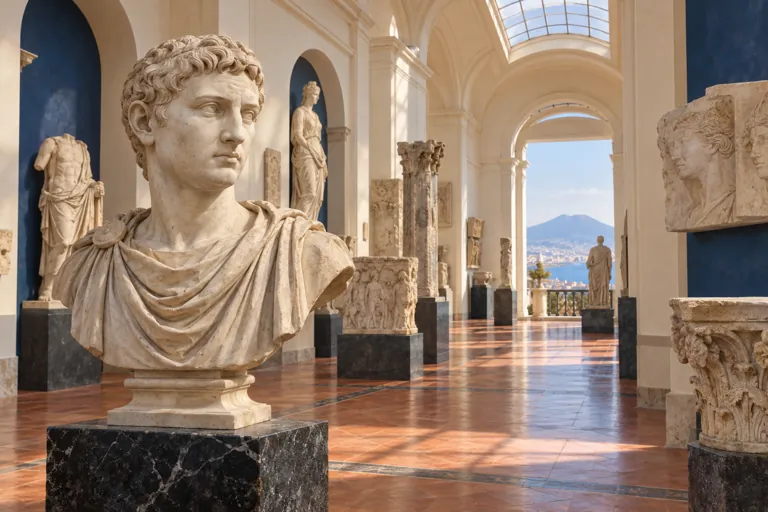
How can you enjoy the Naples Archaeological Museum without museum fatigue?
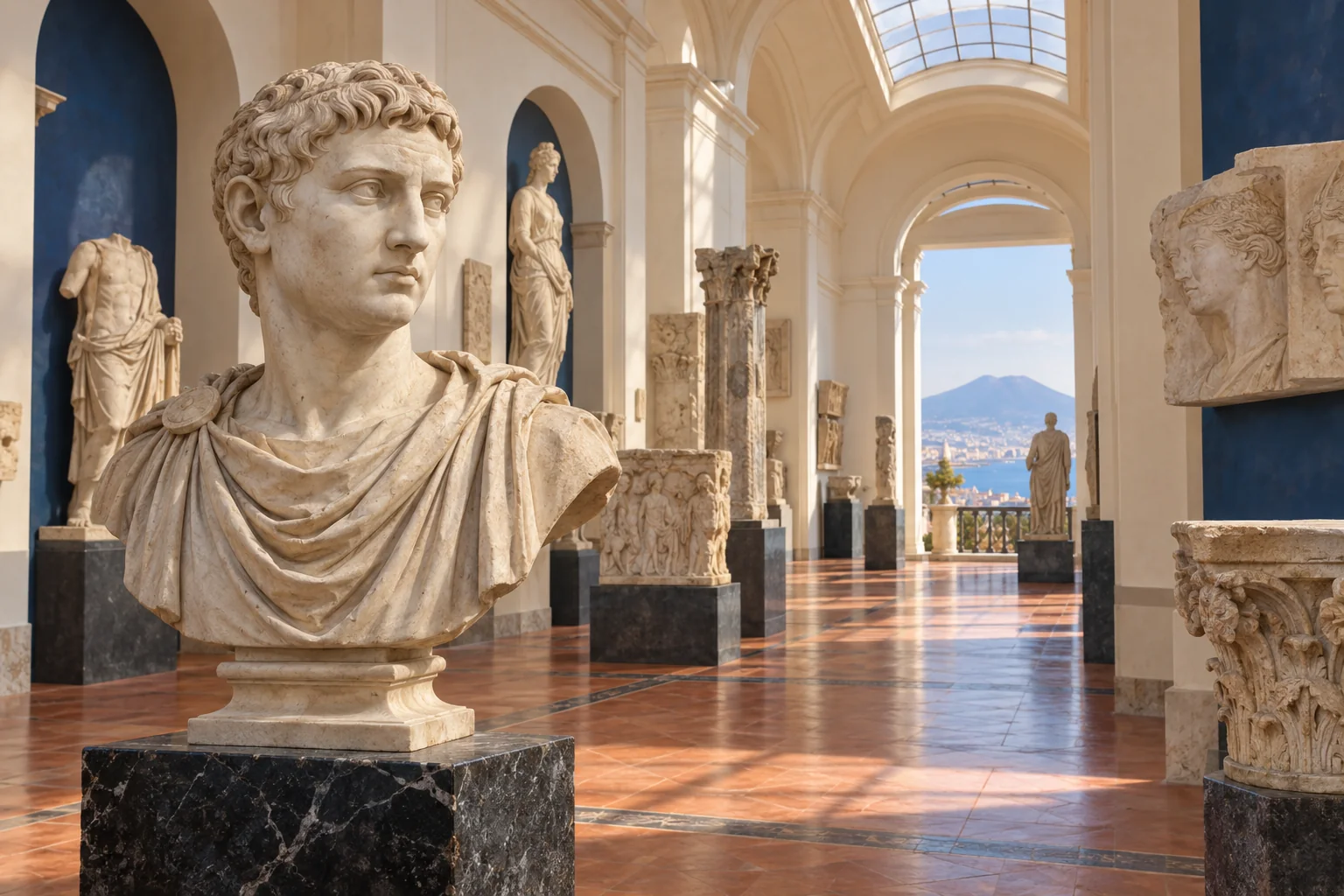
A major archaeological museum invites an impossible ambition: to see everything and understand it all before lunch. Give that ambition a day off. Naples’s National Archaeological Museum, usually called MANN, is more rewarding when you arrive with a question and leave with a few objects you remember clearly. A selective visit is not a failed comprehensive visit. It is a practical way to stay curious in a building full of competing demands on your attention.
Choose a story before choosing rooms
The museum’s Farnese collection offers one possible thread. Its official history traces a major collection of antiquities assembled by the Farnese family, inherited through Elizabeth Farnese by Charles III, and transferred to Naples under Ferdinand IV. Alongside material from the Vesuvian excavations, it helps explain why Naples became such an important place to encounter the ancient world. Keep the distinction between where an object was found and how it reached this museum in mind.
That question can guide a whole visit. Who made an object, who used it, who collected it, and what changed when it entered a museum? You will not find every answer on every label, but the questions prevent the galleries from becoming a blur of attractive things. Compare two objects closely rather than skimming twenty. Our history experiences can help you find a guided approach if you prefer conversation to independent reading.
Build a deliberately small route
Consult the official museum information for the current visitor route and room availability. Pick a principal collection, one secondary interest and a sensible stopping point. Do not treat a floor plan as a contract requiring you to cover every corridor. If a room is closed or a favorite object is unavailable, adapt the visit rather than spending all your energy trying to recover the original plan.
For each stop, alternate distance and detail. Look at the object’s overall scale, then move to something specific: a carved fold, an expression, a surface or a construction method. Read the label after your first look and notice what changes. This simple rhythm can be more engaging than reading every panel before allowing yourself to form an impression.
Use a guide for the questions that matter
A good guided visit can connect objects to the lives and places behind them. Compare the length, language, collection focus and admission arrangements when choosing. A broad introduction and a specialist archaeological tour may both be excellent, but they are different experiences. Make your interests known when appropriate and avoid expecting an entire museum course from a short general visit.
If you are traveling with children or mixed interests, agree in advance on a few shared highlights and a clear end point. Not everyone needs to find the same things fascinating. Allowing each person to select an object to discuss is often more productive than insisting that the group follow one person’s attention without interruption. Breaks help adults as much as children.
Pair the museum with the landscape
If you plan to visit Pompeii or Herculaneum, the museum can become a companion rather than a competitor. A site visit emphasizes streets, rooms and distances; a museum lets you concentrate on individual objects. You need not do both in one day. In fact, giving each its own space may help you notice connections more clearly when you think back afterward.
Use our Naples day plans to keep the remainder of a museum day light. A meal and a gentle walk may be enough. If your itinerary includes Rome, Rome Tour Hub offers another setting for comparing archaeological experiences. Carry a question between the cities, not a competition over which collection is greatest. The objects are more interesting when they have your attention rather than your endurance.
Keep a short note of one object you want to understand better. Later, use our Pompeii or Herculaneum comparison to choose a complementary visit. The layered-city introduction brings the wider historical question back to Naples’s streets.
Sources & further reading
Turn a good read into a great day.
Find a highly rated Neapolitan experience that brings these stories to life.
Explore related experiences →